
We are BoB

We are BoB
Welcome, 28.11.26 - Workshop KNOW-WHY-Denkweise!
Great, you are Best of Baltic, your score is
83
For 2026 the minimum score is
27
In 2027 the minimum score will be
42
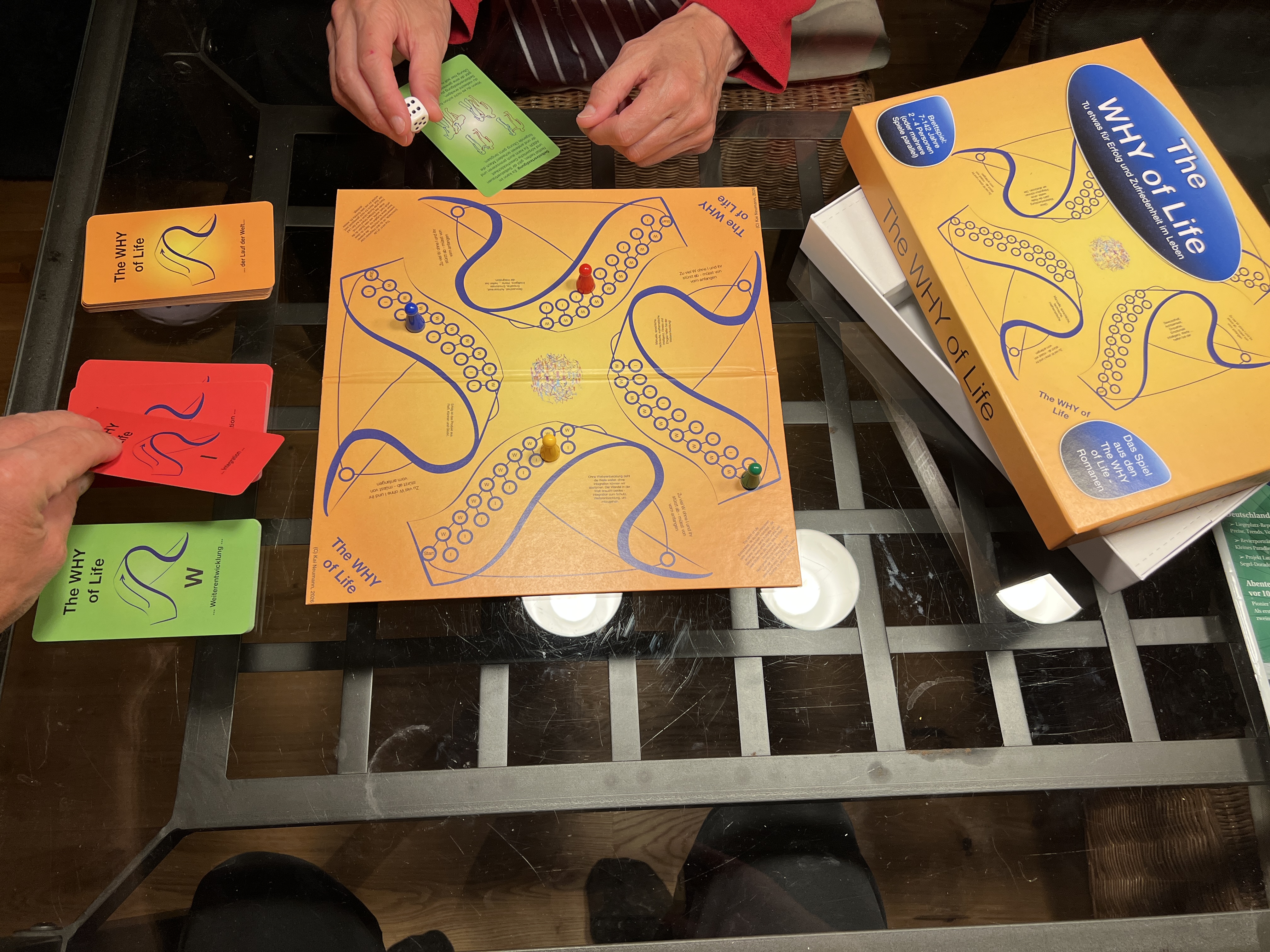
Passend auch zu BoB ein Workshop zu mehr Reflektion von uns und unserem Umfeld. Wenn wir uns die Zusammenhänge bewusst machen, können wir konkrete Schritte zu mehr Erfolg gehen. Jetzt neu auch mit The WHY of Life Brettspiel aus der Romanreihe
Energy
Getting energy a ‘real’ green electricity provider
3
(0) no special tariff, (1) eco from the conventional provider, (2) eco from the local provider (3) with a pure green electricity provider
(0) no special tariff, (1) eco from the conventional provider, (2) eco from the local provider (3) with a pure green electricity provider
Most likely your events need electricity. Your country has most likely real green electricity providers, as they purchase or implement the appropriate capacities of green electricity for each customer. The other electricity providers only offer an electricity mix. The share of green electricity is sold more expensively as an eco-tariff to some customers, while the other customers theoretically only receive the shares of gas, coal, etc.
http://www.imodeler.info/ro?key=CF8Gsu47BnYHLi5NHUWXKVA
0.44
Energy-saving devices
3
(0) outdated devices, (1) with old energy-saving seal, (2) with up-to-date and (3) with the latest best value
(0) outdated devices, (1) with old energy-saving seal, (2) with up-to-date and (3) with the latest best value
On many events there are refrigirators and more and more even dishwashers in use. It is always a consideration whether the continued use of an older device does not require less energy or water than the production of a new, energy-efficient device. Therefore, the energy requirement along the entire product life cycle (from production to use to disposal) must be considered.
Sometimes someone needs a different device and can't afford a new one - then a used device from someone who has bought a new, more economical device, of course, also makes sense. With some devices, the top values are only achieved with large quantities, i.e. washing machines with a lot of capacity.
0.23
LED lamps
3
(0) for none at all, (1) for older energy-saving lamps, (2) for largely LED, (3) for complete LED lighting
(0) for none at all, (1) for older energy-saving lamps, (2) for largely LED, (3) for complete LED lighting
LED 'light bulbs' are now available for really all lamps, even with pleasantly warm light colors.
0.23
Compensation of GHG emissions
3
(0) not at all, (1) only for electricity, (2) also for use of cars even by the visitors (3) for everything including meat and diary consumption
(0) not at all, (1) only for electricity, (2) also for use of cars even by the visitors (3) for everything including meat and diary consumption
The compensation of greenhouse gas emissions is very controversial. Many events use large amounts of energy, cars, trucks, or offer animal based food and might therefore consider to donate an amount of money for the associated greenhouse gas emissions to a service provider who promises projects for greenhouse gas saving / binding (e.g. via forest afforestation). Unfortunately, some providers prove to be fraudulent because they do not achieve the promised effect at all. So only reputable providers should be supported. In addition, the compensation should not be misunderstood as a free ticket. It is therefore important to avoid emissions as much as possible and only compensate for the rest (see also the point Donations).
0.42
Housing, Buildings
Intelligent ventilation
3
(0) not at all, (1) less than 50%, (2) more than 50%, (3) 100% of the times in the heating season
(0) not at all, (1) less than 50%, (2) more than 50%, (3) 100% of the times in the heating season
Intelligent ventilation does not mean too late and not too long. It is too late when we get tired when the air is used up, get a headache and the humidity becomes too high. It is too long when the air has already been replaced and is cool, but we also ventilate the materials (walls, furniture) even longer.
Heat ultimately means that things or air vibrate. When the air is exchanged, but the objects and walls are still vibrating, the fresh air is quickly heated. Even if the walls get cold, mold can form on them and we need expensive heating energy to make everything vibrate again.
By the way, CO2 measuring devices help to ventilate in time and not for too long. However, these should not be a useless gadget, but perhaps used for practice one after the other in the rooms and gladly lent. A nice game is the competition, how good the sense of the people in the room is to ventilate in time and not too long.
0.23
Nutrition
Vegan alternatives
3
(0) not at all, (1) to many meals, (2) to all meals, (3) more than one alternative
(0) not at all, (1) to many meals, (2) to all meals, (3) more than one alternative
Vegan means refraining from fish, meat, milk, cheese and other animal foods. Unthinkable for many people, on the one hand because of the taste, and on the other hand because they consider it unhealthy.
To the taste, it can be said: Among the extremely diverse vegan alternatives, something certainly tastes just as good or even better. We just have to try it - from vegan cheese to egg salad to burgers. Many celebrities and athletes are vegan. Vegan is booming.
Regarding health, it must be said: Our early ancestors eat healthier than we eat today. There was mixed food with only little meat and fish and also little grain and instead more legumes. If you eat a vegan diet, you have to pay attention to two nutrients: vitamin B12 and unsaturated omega 3 fatty acids. B12 can be bought for sucking (or as an additive in foods that are no longer called organic). Omega 3 fatty acids are available in linseed and algae oil. After a few months vegan, a blood test can show whether there are deficiency symptoms. As a rule, vegans eat healthier and are fitter than others.
What else does it bring: In addition to ethical reasons (keeping and killing animals), vegans help to prevent the deforestation of forests, because most areas in the world need the feed. In fact, we will not be able to feed the growing world population in the way we Germans. Vegans also prevent greenhouse gases from the methane emissions of cows, save enormous amounts of drinking water and prevent the pollution of soils, groundwater and waters.
Events should offer vegan alternatives, also like to inform about the advantages and find out in dialogue with the visitors what is well received and what is not. A real paternalism will not work - rather the feeling of pride, at least partly doing something better.
4.44
Food from the region
3
(0) not at all, (1) less than 50%, (2) more than 50%, (3) 100% of food
(0) not at all, (1) less than 50%, (2) more than 50%, (3) 100% of food
Food from the region, from the weekly market and from the farm shop have not been transported far (there are of course also exceptions there) and strengthen the local economy.
However, there are also inefficient short transport routes when vehicles with little load drive to the points of sale. E-mobility and cargo bikes can help here.
Unfortunately, the regional is often also played out against the organic offer: regional, sprayed with pesticides food is not as good as regional organic food, and regional meat is not as good for the environment as the renunciation of meat.
0.23
Organic food
3
(0) not at all, (1) less than 50%, (2) more than 50%, (3) 100% of the products also available as organic
(0) not at all, (1) less than 50%, (2) more than 50%, (3) 100% of the products also available as organic
Organic is extremely important for biodiversity. We have the greatest species extinction since the extinction of the dinosaurs and the consequences are greater than those of climate change. Pesticides and mineral fertilizers endanger our future. In addition, soils from organic farming usually store more carbon and thus help against the climate catastrophe.
The counter-argument is often that the yields in organic farming are lower than in industrial agriculture and therefore more forests have to be cut down. This is true, for example, with cereals that are not unrestrictedly healthy. But if we eat less meat, waste less food and eat more healthy legumes, we have plenty of additional space available and can feed the entire world organically and even plant a little more forest.
Organic is more expensive. But on the one hand, many costs can be saved by less meat and on the other hand, it can be bought and cooked intelligently …. Of course, it is also to be questioned whether there must be such a low livelihood at all - environmental policy is also social policy.
1.61
Organic from the region
3
(0) not at all, (1) less than 50%, (2) more than 50%, (3) 100% of the products also available as organic from the region
(0) not at all, (1) less than 50%, (2) more than 50%, (3) 100% of the products also available as organic from the region
Which is better - the organic apple from New Zealand or the sprayed apple from the region? Answer: both wrong. Organic food from the region means less transport and is therefore even better than organic food with wide transport.
2.00
Organic from the region seasonal
3
(0) not at all, (1) less than 50%, (2) more than 50%, (3) 100% of the seasonal products also available as organic
(0) not at all, (1) less than 50%, (2) more than 50%, (3) 100% of the seasonal products also available as organic
Seasonal organic products in addition to regional organic products also have less energy expenditure for storage.
In the respective months, other products are available seasonally, so that we can eat healthy and tasty all year round with little transport and storage effort with regard to a seasonal calendar.
2.16
Tap water
1
(0) not at all, (1) less than 50%, (2) more than 50%, (3) 100% instead of purchased mineral water or soft drinks
(0) not at all, (1) less than 50%, (2) more than 50%, (3) 100% instead of purchased mineral water or soft drinks
Fortunately, tap water has long been a trend. There are drinking water dispensers in schools and the students have their drinking bottles with them, and managers also bring their drinking bottles to workshops. Many children do not even get used to the unhealthy sugar drinks.
Tap water is more strictly controlled than bottled drinks and saves a lot of energy and packaging.
Outdoor events need to be aware of the water hoses that have to meet the standards for drinking water.
1.30
Avoidance of food waste
3
(0) not at all, (1) less than 50%, (2) more than 50%, (3) I save or avoid 100% of the food to be thrown away
(0) not at all, (1) less than 50%, (2) more than 50%, (3) I save or avoid 100% of the food to be thrown away
Food is wasted from the field to the factories and transport routes to the throw away by us, the restaurants and the supermarkets. This ultimately means that more areas are needed for cultivation and thus forests are cut down and biodiversity is endangered with sprays and fertilizers.
We can save specifically rescued food (e.g. too small or wrinkled goods) and also donate leftover food in many places, e.g. to the food banks.
0.83
Garbage
Separate garbage consistently
3
(0) not at all, (1) some, (2) mostly, (3) always
(0) not at all, (1) some, (2) mostly, (3) always
Consistently separating waste, including green waste, glass and paper, is not as self-evident as can be assumed. Many make little effort here and don't really know what belongs in which bin. The residual waste bin also costs the public sector a lot of money, while the recyclable and green waste bin are free of charge. But also special waste, such as batteries, incandescent lamps, electrical appliances, etc. must be disposed of properly.
Events can place separating waste bins with information signs everywhere. In general, it is also possible that a sign indicates that the cleaners take over the separation for the guests. But better, the visitors can do that.
0.65
Recycled paper
2
(0) never, (1) sometimes, (2) mostly, (3) always
(0) never, (1) sometimes, (2) mostly, (3) always
Non-recycled paper is often cheaper, but means cutting of forests, contamination of water during production and a high energy requirement.
Recycled paper for toilet paper, writing paper, packaging, envelopes, wrapping paper, etc. should be a matter of course today. But we have to pay attention to it and choose it.
Recycled paper can also be snow-white, but it should then not be bleached with chlorine but oxygen. A note placed somewhere can make you proud and contribute to event's identity.
1.23
Paperless office/media
3
(0) not at all, (1) some, (2) most, (3) all only digital.
(0) not at all, (1) some, (2) most, (3) all only digital.
Saving paper helps to protect forests - recycling paper also ultimately means more demand for fresh pulp from trees.
We don't even need to print many things in the first place, but can save them on devices that we already have. For internal processes but also for dialogue with customers, digital forms should continue to prevail.
So the exhibitors etc. are welcome to ask if they need a paper version of the invoice.
0.61
Finance, Insurance
Real green bank
3
(0) not at all, (1) regional bank, (2) partly real green bank, (3) complete change to green bank
(0) not at all, (1) regional bank, (2) partly real green bank, (3) complete change to green bank
Basically, there are three types of banks - the inexpensive online banks with great conditions, the local savings banks and cooperative banks or branches of the major banks, and a very few real eco-banks (GLS Bank, Triodos, ....). The savings interest rates of green banks are quite decent, while the short-term interest rates and fees are less attractive. But all sorts of things are not financed without regard to ethical and ecological standards. Even the local banks focus on the maximum return here.
Globally, Green Finance already plays a huge role. Investors pay attention to ethical standards and thus put pressure on the industry to adhere to standards or even become a pioneer.
3.20
Social
Crafts from the region
0
(0) not at all, (1) sometimes, (2) mostly, (3) always
(0) not at all, (1) sometimes, (2) mostly, (3) always
This is about living and working in the region, about strengthening the community. The birdhouse from a social workshop or the PV system from the electrician on site (if he has further training). The award criteria of the municipalities must of course be legally secure.
If the work is good, a discreet advertising sign can also draw attention to the craft business in return.
1.06
Fair trade products
2
(0) not at all, (1) some, (2) mostly, (3) always, even on the go
(0) not at all, (1) some, (2) mostly, (3) always, even on the go
At Fair-Trade, we usually think of the label of the same name - which is no longer in disrepute. But there are also other labels - some rather greenwashing, some quite trying to do better. Fair is not always the same as organic and organic is not always fair (but some labels combine both).
The importance is immense: fair working conditions in the world ensure less migration, more climate protection and a more peaceful world.
Extremely remarkable is the background of chocolate and the connection between child slavery (!) And the common products from Nutella to children's chocolate to the Mars bar: https://edition.cnn.com/world/freedom-project
Companies and events can therefore be pioneers for a better world themselves here in the food or in the work clothes or the hand-sewn football.
3.20
Clothes
Organic cotton/ linen/ hemp/ wood fiber/ certified virgin wool
3
(0) not at all, (1) some, (2) many things, (3) everything
(0) not at all, (1) some, (2) many things, (3) everything
Globally, conventional cotton is an environmental problem due to the use of sprays and the high water consumption. In addition, the textile factories poison entire rivers and exploit people during conventional dyeing.
In addition to ecological cotton, there are other natural fibers with sometimes much less damage to the environment.
In the case of virgin wool, attention must be paid to the certification, which excludes animal suffering.
By the way, there is now also outdoor clothing made of densely woven organic cotton as an alternative to the plastic fibers. Plastic fibers always allow microplastics to enter the wastewater during washing and microplastics in the environment may lead to multi-resistant super germs - a long history.
With the points for clothing, if you do not buy conventional cotton, but sometimes choose recycled and sometimes organic cotton, you can give a full 3 points for both.
By the way, organic is also possible with curtains, tablecloths and bed linen!!!
1.69
Other Consumption
Green IT
1
(0) not at all, (1) recyclable, (2) fair, (3) used devices
(0) not at all, (1) recyclable, (2) fair, (3) used devices
Green IT starts with the devices and goes on to the power consumption from streaming to the use of IT to increase efficiency. The devices are about the use of used or refurbished devices, repairable devices, the recycling of materials and the minimization of questionable raw materials.
0.55
Used, long-used devices
1
(0) not at all, (1) sometimes, (2) often, (3) basically
(0) not at all, (1) sometimes, (2) often, (3) basically
Many devices from vacuum cleaners to cordless screwdrivers to TVs are amazingly inexpensive today. Relying on valuable devices that last a long time, or even buying used devices, helps to save raw materials and energy.
1.30
Events
Limitation of noise
3
(0) not at all, (1) sometimes, (2) often, (3) basically
(0) not at all, (1) sometimes, (2) often, (3) basically
If possible limit the noice emissions from you event
0.00
Environment and social as a topic
2
(0) not at all, (1) sometimes, (2) often, (3) basically
(0) not at all, (1) sometimes, (2) often, (3) basically
The protection of the environment as well as social topics can be a theme of an event.
0.00